Microbial Source Tracking
Move from detecting faecal contamination towards understanding likely sources and contributions.
Microbial source tracking
Water monitoring
SP50 and Biota MAP cover the water sampling layer, from rapid grab-sample handling and field sampling to unattended, event-driven deployment.
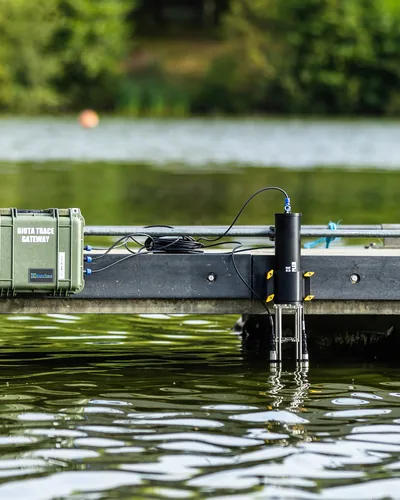
SP50 can be brought into the connected system through a gateway, while Biota MAP provides multi-temporal, remotely managed sampling as part of the wider monitoring network.
Where these fit
Most water monitoring programmes are limited less by analysis than by how many samples can realistically be collected, and when. SP50 and Biota MAP address that constraint in different ways.
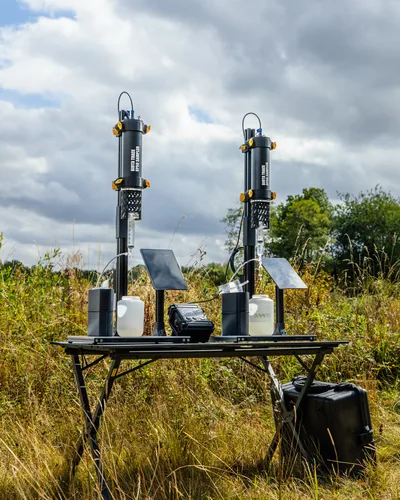
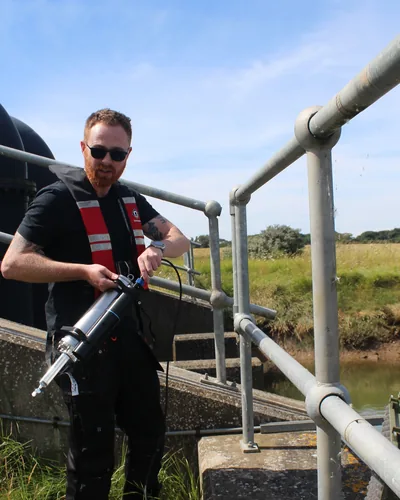
SP50 is the instrument you pick up and use, processing grab samples quickly or sampling directly from the source. Biota MAP is the instrument you leave in place, collecting multiple samples over time, unattended, while reporting back as it goes.
Both are complementary by design. They strengthen the sampling layer while continuing to feed the analytical methods, laboratories and partners you already use.
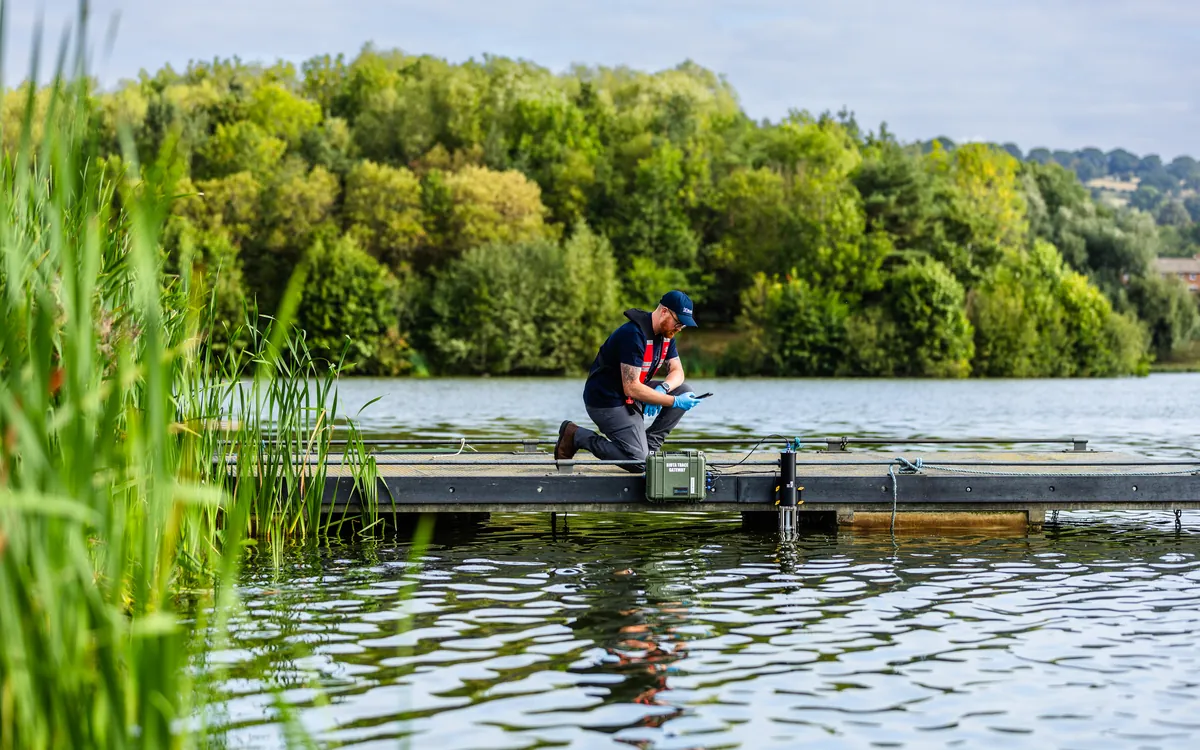
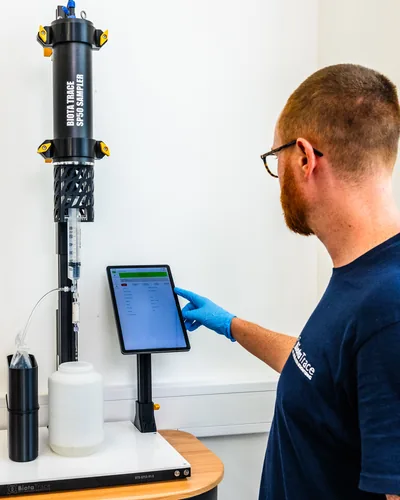
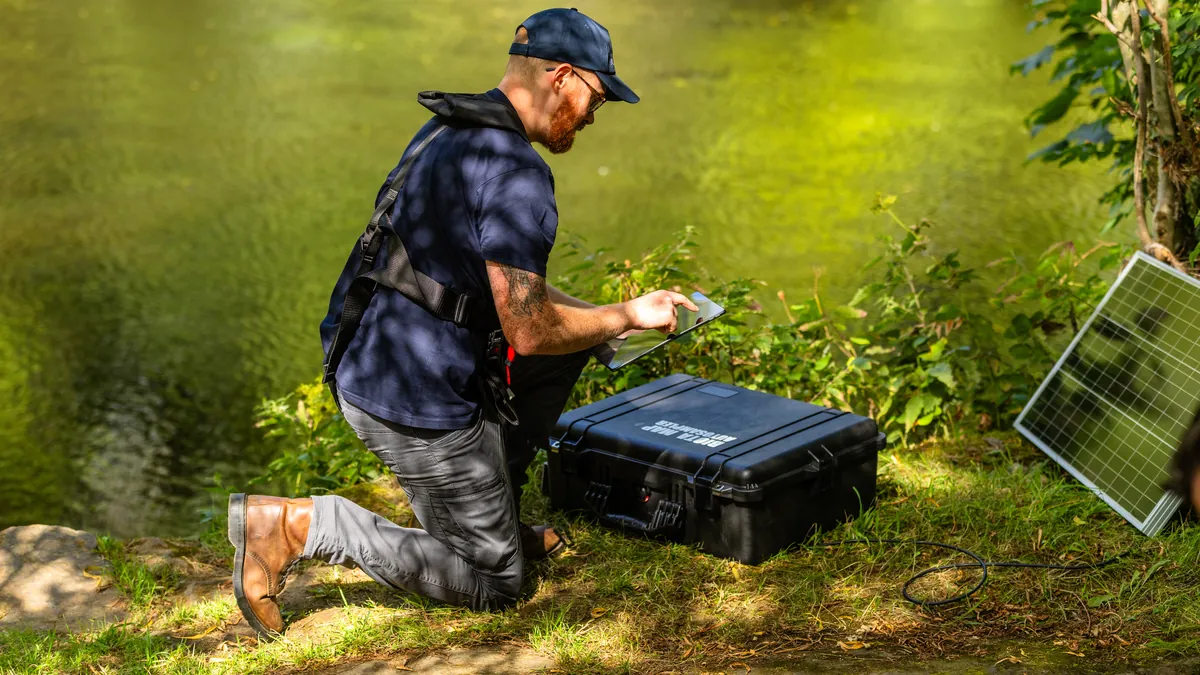
Rapidly process grab samples, sample directly in the field, or deploy for a single event-driven sample.
SP50 handles the step between collecting water and producing a preserved sample ready for downstream analysis. Instead of transporting bulk water, samples can be processed at or near the point of collection, so the filtered material moves onward preserved rather than the original water volume.
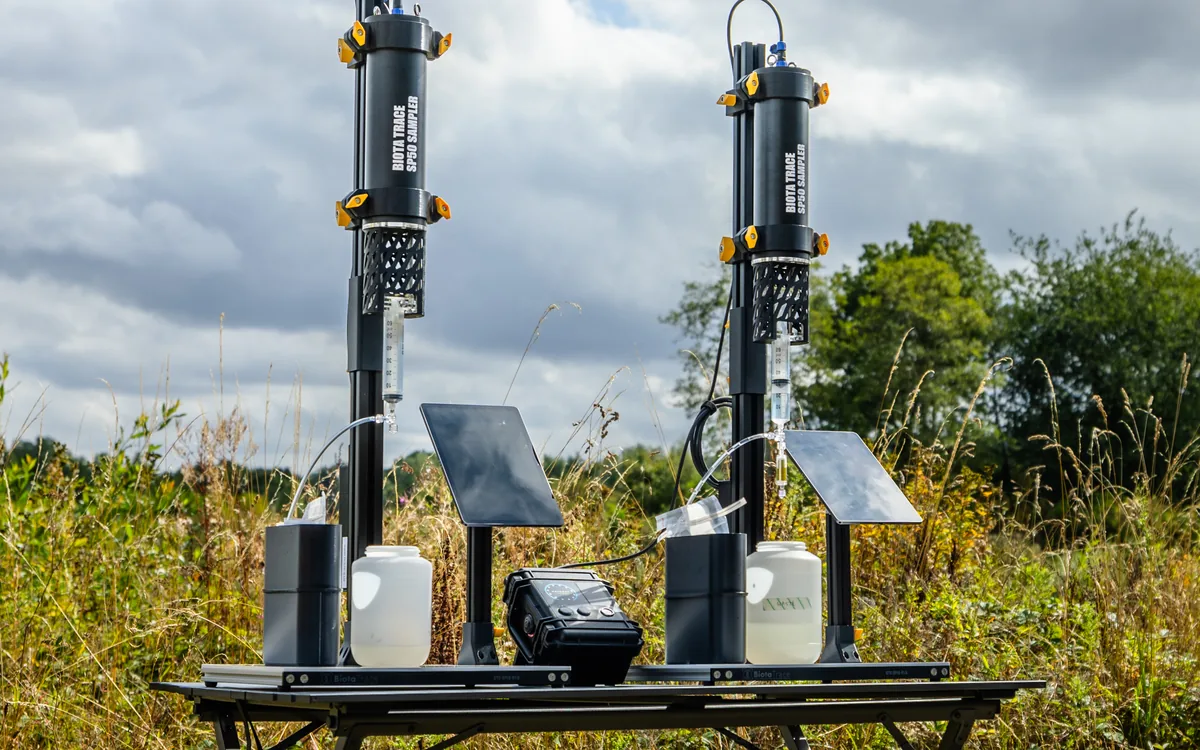
It uses a patent-pending reciprocating, syringe-based positive-displacement approach, keeping the familiarity and comparability of established syringe filtration while automating it. Unlike a peristaltic pump, it measures displaced volume and filtration pressure directly and can hold defined pressure limits as part of the filtration profile, maximising yield while mitigating the risk of filter failure. The pumping mechanism sits outside the wetted sample path, which simplifies contamination control between samples.
It can also be deployed to capture a single sample when conditions or connected sensors indicate an event is taking place. Across every mode the aim is the same: less handling and transport, less time between collection and preservation, and more samples without proportionally more field effort.
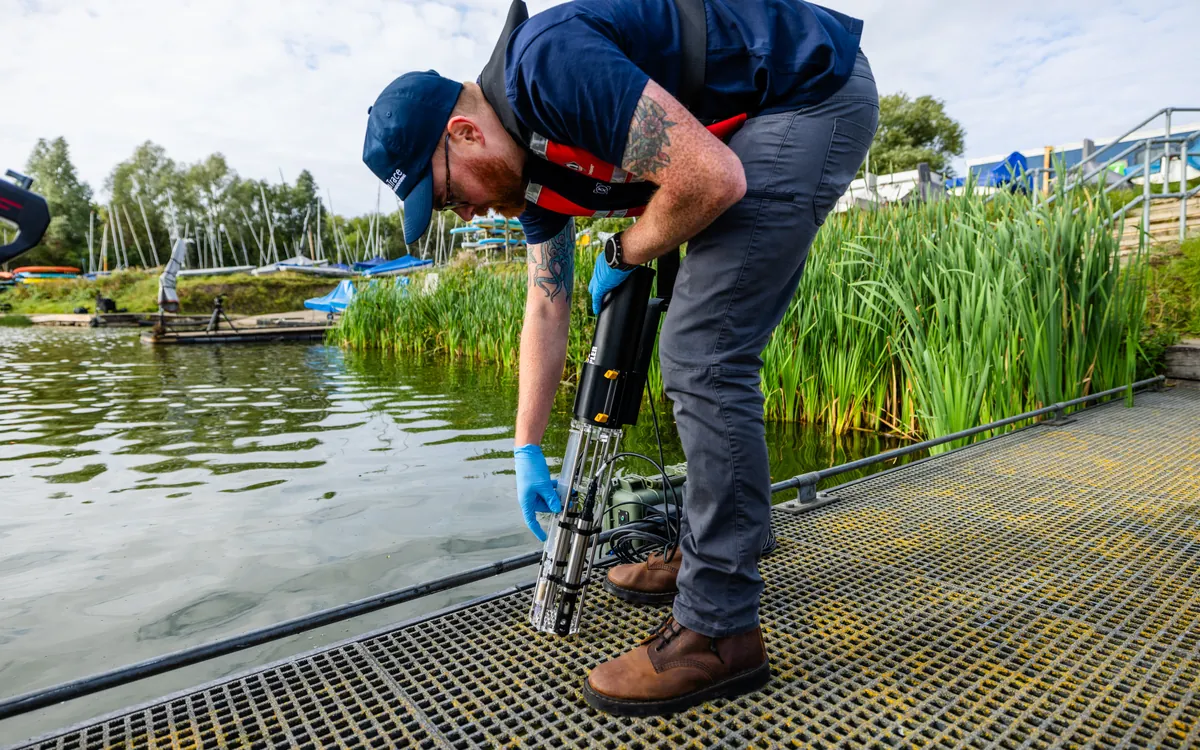
One sampler, many uses
SP50 is not configured differently for each of these. It is the same instrument and the same filtration method, which is what makes results from a laboratory bench and a riverbank comparable.
Molecular Analysis Point
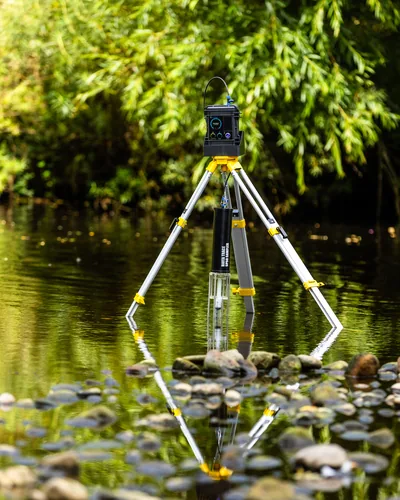
Connected multi-sample monitoring for repeated, temporal and event-driven sampling.
Biota MAP is installed at the water and stays there. It holds multiple discrete samples and works through them on a schedule, according to a rule, or in response to a connected trigger, building a temporal picture rather than a single snapshot.
Biota MAP is configurable by design. It can be supplied in different form factors to suit the deployment environment or integrated into OEM equipment where molecular sampling needs to become part of a wider system.
Integrated telemetry reports sample status and device state as the deployment progresses, allowing sample counts, timings and missed or completed events to be reviewed remotely.
Choosing between them
The right choice depends on how and where sampling needs to happen. SP50 supports responsive and campaign work, while Biota MAP provides sustained, multi-temporal coverage at fixed points. They can also be used together within the same monitoring programme.
| SP50 | Biota MAP | |
|---|---|---|
| Best for | Responsive sampling, campaigns, high-throughput processing | Sustained monitoring at a fixed location |
| Operating mode | Operator-led, or deployed for event-driven capture | Unattended, scheduled or triggered |
| Samples per deployment | Single sample per run, repeated as needed | Six or more, rising in multiples depending on configuration and modules fitted |
| Telemetry | Optional, via gateway | Integrated |
| Field control | Android app | Android app on site, EASI remotely |
| Power | Mains, battery, solar or methanol fuel cell | Mains, battery, solar or methanol fuel cell |
| Deployment duration | Per visit | Hours, days, weeks or months |
| Typical applications | eDNA campaigns, MST follow-up, spill response | AMR surveillance, catchment time-series, consent monitoring |
Where water sampling is applied
Move from detecting faecal contamination towards understanding likely sources and contributions.
Microbial source tracking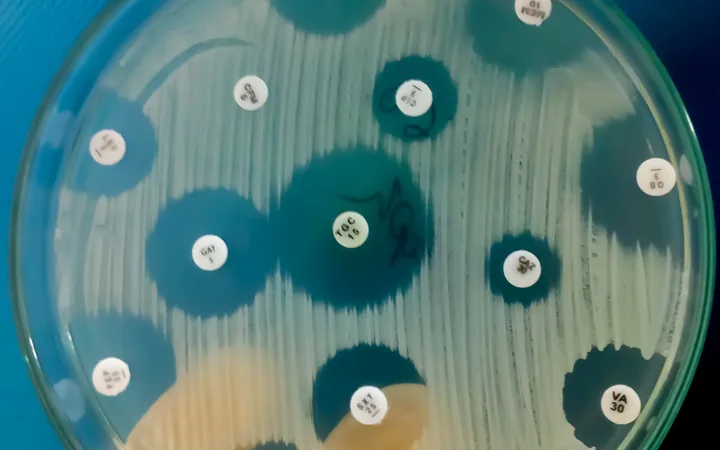
Build higher-density, context-aware sampling around antimicrobial resistance targets.
AMR surveillance
Expand campaign scale and repeatability in eDNA work without changing the analytical methods you already use.
Biodiversity and eDNAStart with the monitoring problem
Tell us the water body, the target and the timescale, and we can suggest a starting point — from a single SP50 to a connected network of MAP units reporting into EASI.