Water
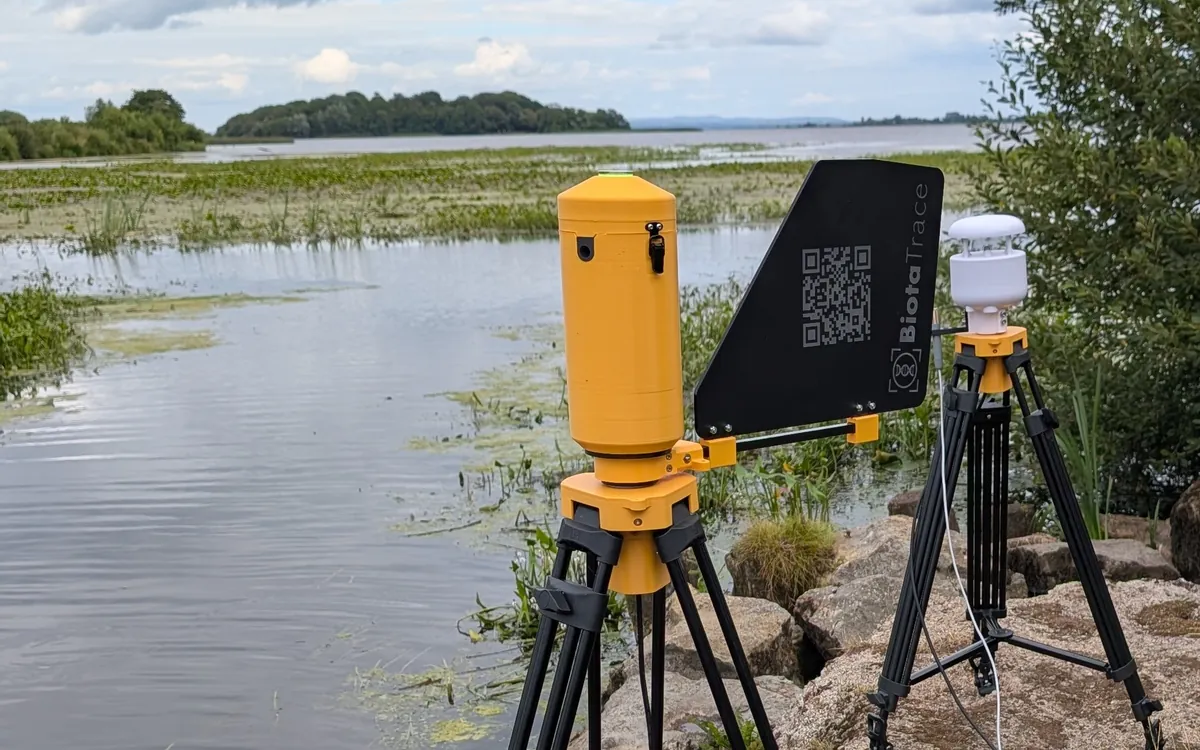
SP50 for responsive and campaign sampling, with Biota MAP for repeated, multi-temporal monitoring at fixed points.
SP50 & Biota MAP
Solutions
For some questions, better sampling is enough. For others, we combine sampling, sensing and interpretation into a complete solution, working with your existing analytical partners or bringing in the right expertise where needed.
What these have in common
Source tracking, resistance surveillance and invasive species monitoring are different problems with a shared dependency: getting a result in the first place depends on collecting accurate, well-timed samples in the right place.
Once a signal is detected, understanding what it means depends on the context around that sample, including weather, upstream conditions, recent events and, in some cases, whether the target organism was likely to be active at the time.
That makes sampling and context part of the scientific question, not just a step before the analysis.
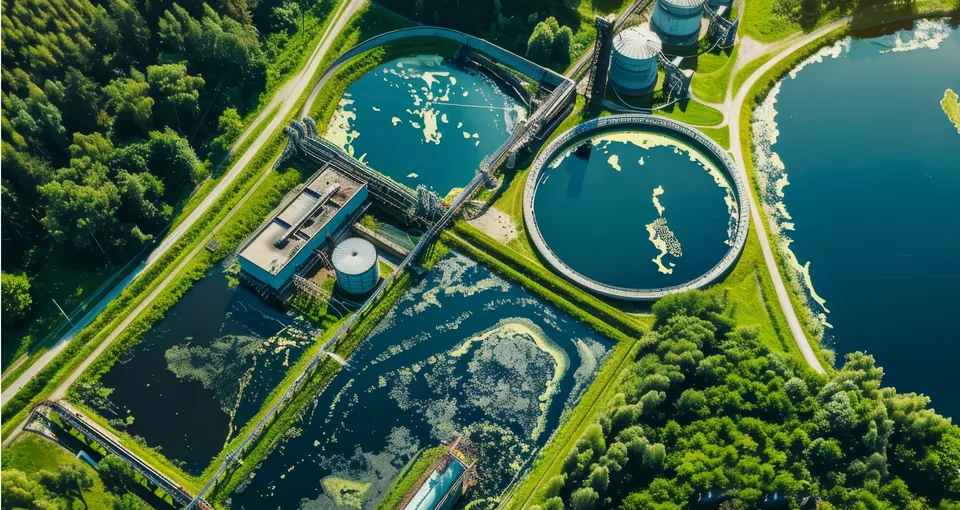

Knowing a watercourse is contaminated is rarely the hard part. Knowing where it came from, and under what conditions, is.
Faecal contamination reaching a river can come from wastewater infrastructure, livestock, wildlife, or different sources at different times. A result that only says contaminated has limited value for action because it does not identify the likely source or the conditions under which it is contributing.
Microbial source tracking helps narrow that down. Event-driven sampling allows samples to be collected when rainfall, run-off or other catchment conditions indicate that a source may be contributing, rather than relying only on a fixed calendar.
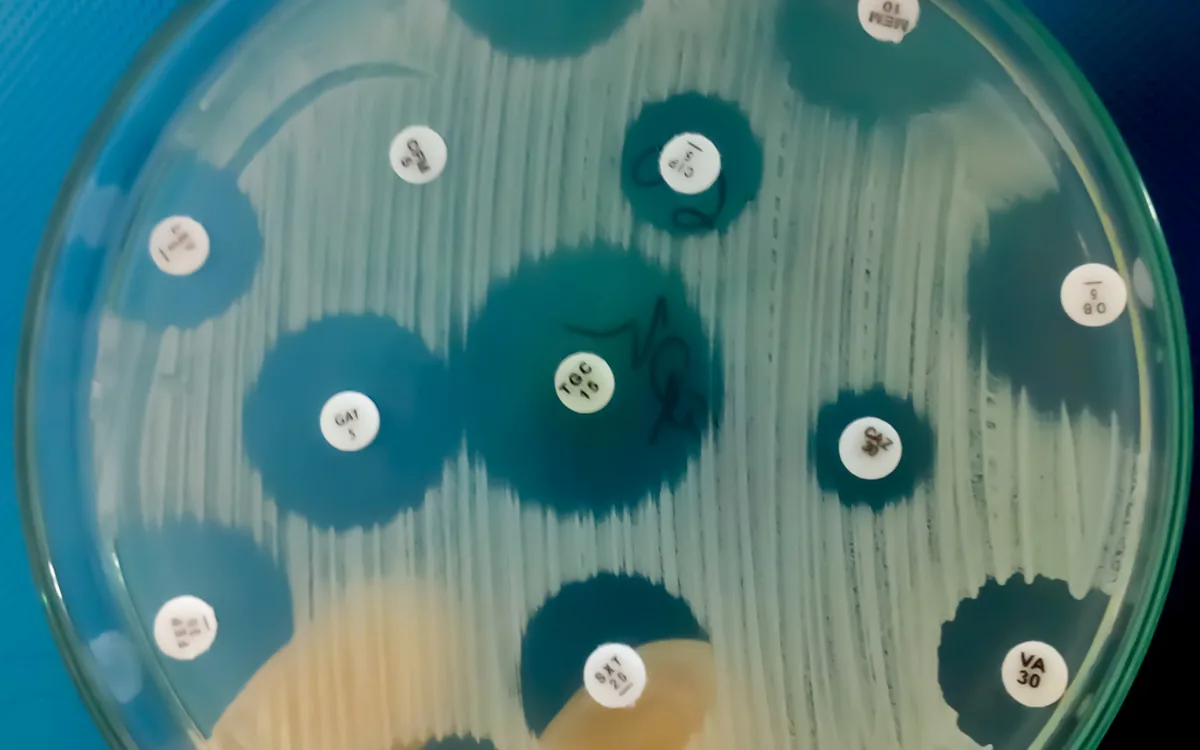
Antimicrobial resistance moves through the environment along pathways, and those pathways are easier to understand when sampling follows them.
Many surveillance programmes rely on a limited number of locations sampled on a fixed schedule, even though important changes may occur around discharges, run-off, treatment processes and other catchment events.
Denser, event-driven and condition-aware sampling can add the spatial and temporal resolution needed to understand not just whether resistance is present, but where signals emerge, how they change through the catchment and which conditions are associated with them.
Detecting presence can be straightforward. Demonstrating absence with confidence is much harder.
A negative result from one point on one day says little about whether a species is truly absent. Confidence comes from covering the area systematically and sampling when the target is most likely to be detectable, which may depend on season, time of day or environmental conditions.
This is a strong case for combining media. Water can capture signals within the aquatic environment, while air can add complementary evidence from the surrounding landscape, including margins and areas that are difficult to reach from the bank.
Our equipment is deployed in the EU-funded OneSTOP programme across five living labs in Finland, Romania, Belgium, the United Kingdom and Portugal.
How an engagement works
A solution starts with the monitoring question and designs the sampling around it. What happens to the sample afterwards is flexible and can remain with the laboratory, methods and analytical partners you already use.
You can even continue working with the same sampling partners, while giving them access to Biota Trace technology to make sampling more systematic, scalable and event-driven.
You also do not need to buy instruments to get started. Biota Trace can run the sampling programme, provide instruments for a defined campaign, or supply the capability for you to operate directly.
Define what you need to know, where you need to know it and the level of confidence required. That shapes the target, sampling medium, timing and coverage.
Choose the instruments, locations and sampling logic needed to answer the question, whether scheduled, event-driven or a combination of both.
Samples can continue into your existing laboratory and analytical workflow, be analysed by Biota Trace, or be passed to one of our analytical partners where additional capability is needed.
Sampling can be considered alongside rainfall, flow, sensor data and other environmental conditions, helping place the molecular result in the context in which it was collected.
Where needed, Biota Trace can also use developing data pipelines to combine these inputs and generate deeper insights across samples, sites and events.
What the programmes run on
No solution here needs bespoke hardware. Each programme is built from the same sampling layer, configured around the monitoring question.
SP50 for responsive and campaign sampling, with Biota MAP for repeated, multi-temporal monitoring at fixed points.
SP50 & Biota MAPCY45 for airborne molecular sampling across the surrounding environment, with sampling periods aligned to the target and conditions.
CY45 air monitoringTRACE-E 120 for extending sampling and monitoring across a water body, including locations that are difficult to reach from the bank.
TRACE-E 120Start with the monitoring problem
If your question does not fit neatly into one of these three areas, it is still worth asking. Many monitoring programmes combine elements of more than one.